
Are Tile Roofs Right for Your Home?
Yes. Tile roofs are durable, long-lasting, and ideal for homes in Gainesville, Georgia.
Tile roofs provide excellent protection against heat, heavy rain, and seasonal storms. They also add curb appeal and increase property value. By reading this guide, homeowners will learn how tile roofs perform, their maintenance requirements, energy benefits, and when professional help is needed.
Benefits of Tile Roofs for Homeowners
Tile roofs are a top choice for homeowners seeking long-lasting, energy-efficient, and aesthetically pleasing roofing. Skyline Contracting helps homeowners understand the key facts about tile roofing, including lifespan, maintenance, and safety considerations. This guide answers common questions and helps you decide if a tile roof fits your home.
Benefits homeowners gain:
- Reduced energy bills due to natural insulation
- Long-term durability and fewer replacements
- Modern aesthetic appeal to boost resale value
Structural considerations:
Tile roofs are heavier than traditional shingles, so the home’s framing must be strong enough to support the load. Most modern homes in Gainesville are well-suited for clay or concrete tiles, but older homes may require inspection and reinforcement. Skyline Contracting evaluates your home to ensure your roof can safely handle tiles.
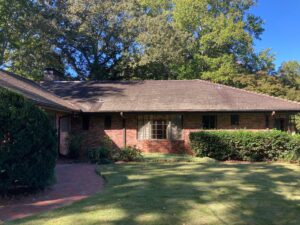
Why Tile Roofs Are Popular in Gainesville, GA
Tile roofs are particularly well-suited for Gainesville’s hot summers and occasional heavy storms. Their heat resistance keeps homes cooler, protecting shingles and underlying structures from thermal expansion and UV damage.
Local Climate Advantages
- Clay and concrete tiles reflect sunlight, reducing attic temperatures.
- Heavy tiles resist wind uplift and hail damage better than lightweight shingles.
- Fire-resistant materials provide added peace of mind in dry seasons.
Aesthetic Appeal and Home Value
- Tiles come in multiple colors and textures, including Spanish, Mediterranean, and modern flat styles.
- A tile roof adds curb appeal and can increase your home’s market value.
- Property buyers often view tile roofs as a sign of quality and long-term durability.
Storm and Maintenance Examples
Tile roofs handle Georgia storms better than asphalt shingles. In heavy rain, water runs off without saturating the roof. During occasional hail events, concrete tiles often resist cracking. Skyline Contracting ensures proper installation and underlayment to maximize protection for a residential roof replacement.
How Long Do Tile Roofs Last?
Tile roofs are known for their exceptional lifespan, often exceeding 50 years.
Lifespan Factors
- Material: Clay is extremely strong and resistant to cracks. Concrete offers flexibility and durability in variable temperatures.
- Installation: Professional fastening ensures proper support and reduces breakage.
- Maintenance: Cleaning debris, replacing broken tiles, and inspecting underlayment extends longevity.
Added Value
Tile roofs often reduce homeowner insurance premiums due to durability. Homes with well-maintained tile roofs also see increased resale value. Routine inspections every 2–3 years and post-storm evaluations help maintain performance.
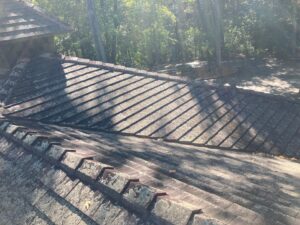
Are Tile Roofs Energy Efficient?
Tile roofs improve the energy efficiency of roofing materials in multiple ways.
How Tile Improves Efficiency
- Reflective surfaces: Light-colored tiles reflect sunlight, lowering indoor temperatures.
- Natural insulation: Air gaps beneath tiles act as a thermal buffer.
- Ventilation: Properly spaced tiles allow airflow, reducing heat buildup in attics.
According to the U.S. Department of Energy, cool roofs like reflective tile surfaces reduce roof temperatures by 50 to 60°F, cutting air conditioning use and lowering energy bills.
Case Study Example:
A Gainesville homeowner reported a 15 to 20% drop in summer cooling bills after installing light-colored clay tiles. Tiles can also be coated for enhanced reflectivity, increasing efficiency without changing aesthetics. Our team helps select the right tile color and type for energy savings and style.
How Much Maintenance Do Tile Roofs Need?
Tile roofs are low-maintenance, but proper care ensures their longevity.
Recommended Maintenance
- Annual inspections: Check for cracked, chipped, or loose tiles, especially after storms.
- Cleaning: Remove leaves, branches, moss, or debris that can trap moisture.
- Minor repairs: Replace broken tiles promptly to prevent leaks.
DIY vs Professional
- DIY: Homeowners can safely remove loose debris from gutters or accessible roof edges.
- Professional: Skyline Contracting performs detailed inspections, repairs broken tiles, and checks underlayment and flashing to prevent water damage.
Seasonal Tips:
Inspect after fall for leaf buildup and after spring storms for minor damage. Avoid pressure washing, which can crack tiles. Professional maintenance ensures safety and maximizes lifespan.
Can You Walk on a Tile Roof?
Walking on a tile roof carries risk.
Tile roofs are heavy and brittle. Stepping incorrectly can crack tiles, causing costly damage.
Safe Practices
- Hire professionals like Skyline Contracting for inspections, cleaning, or repairs.
- Avoid placing weight on unsupported tiles; walk along ridges or reinforced sections if necessary.
- Use proper safety equipment, including harnesses and ladders.
Even careful walking can create micro-cracks that reduce lifespan. Skyline Contracting ensures safe access for all inspection or repair tasks.
Considering a Tile Roof for Your Home?
If you’re exploring tile roof options, Skyline Contracting can help you:
- Compare clay vs. concrete tile materials
- Evaluate your home’s structure for proper support
- Receive a detailed, personalized estimate
Tile roofs offer durability, energy efficiency, and long-term aesthetic appeal. Financing options and ROI over decades make them a smart investment. Skyline Contracting provides guidance to select the right tile type and style for your home.
Visit our roof replacement page to explore options, then contact Skyline Contracting via our contact page to schedule a consultation and start your tile roof installation.
Frequently Asked Questions About Tile Roofs in Georgia
How Long Do Tile Roofs Last Compared to Shingles?
Tile roofs last longer than shingles. While shingles typically last 15 to 25 years, tile roofs can exceed 50 years with professional installation and proper maintenance. This longevity means fewer replacements and lower long-term costs. For homeowners in Gainesville, Georgia, a properly installed tile roof provides decades of protection against heat, storms, and heavy rain without the frequent disruptions required by shingles.
Are Tile Roofs Worth the Investment in Georgia?
Absolutely. Tile roofs are particularly well-suited to Georgia’s hot summers, seasonal storms, and heavy rainfall, outperforming many other roofing options in durability and energy efficiency. In addition to long-term protection, tile roofs enhance curb appeal and can increase resale value, making them a smart financial decision. Homeowners also benefit from energy savings due to the natural insulation and reflective surfaces of tile roofing.
Can I Walk on My Tile Roof Without Breaking It?
Generally, no. Tile is brittle and can crack under even light pressure, which can lead to leaks and reduce the roof’s lifespan. For safety and preservation, homeowners should avoid stepping on the tiles themselves. Professional inspections or repairs by Skyline Contracting are the safest approach. If access is absolutely necessary, only walk along reinforced ridges or framing, and always use proper safety equipment such as ladders and harnesses.
Do Tile Roofs Need Special Maintenance?
Yes, although they are lower-maintenance than other roofing types. Annual inspections are essential to identify cracked, chipped, or loose tiles, especially after storms. Debris such as leaves or branches should be cleared from both the roof and gutters to prevent moisture retention and potential damage. Any damaged tiles should be replaced promptly to avoid leaks.
How Do Tile Roofs Compare to Asphalt Shingles for Energy Efficiency in Georgia?
Tile roofs outperform asphalt shingles in both heat reflection and natural insulation. The air gaps beneath the tiles act as thermal buffers, reducing attic temperatures and lowering cooling costs in the summer. Light-colored tiles or reflective coatings further enhance energy efficiency, which can result in measurable reductions in monthly utility bills. For example, a light-colored clay tile roof in Gainesville has been shown to reduce cooling costs by 15–20 percent.
Are Tile Roofs Safe in Georgia Storms?
Yes. Properly installed tile roofs are highly resistant to wind, rain, and hail, performing better in severe weather than many shingle roofs. Concrete and clay tiles are heavy, which helps resist uplift, while their fire-resistant properties add an extra layer of safety for the home. Additionally, a well-maintained tile roof can last decades, providing consistent protection even with repeated exposure to storms.