
Why Is Proper Asphalt Shingle Storage Important?
Proper storage prevents warping, mold, and material failure before installation—saving homeowners from early roof repairs or replacements. Improper storage of asphalt shingles can lead to costly roof failures — here’s how to avoid it.
Asphalt shingles are durable, but can become damaged even before installation if proper storage practices are not observed. This can shorten the lifespan of your roof, delay installation, or result in higher costs if materials need to be replaced.
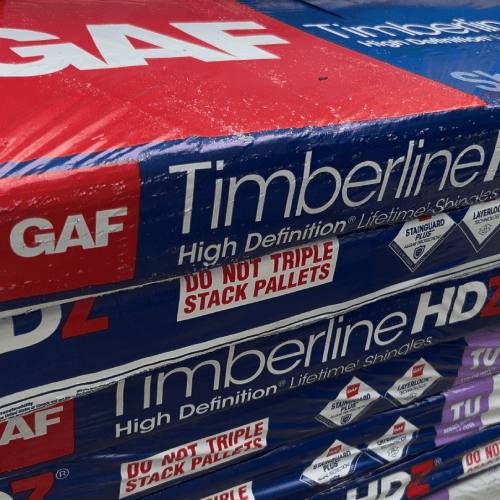
Effects of Improper Storage on Asphalt Shingles
A long-lasting roof depends on a successful installation carried out by a trained professional. But sometimes, your shingles may become damaged even before they’re installed on a roof.
At Skyline Contracting, our team has unfortunately encountered many situations where a homeowner or previous roof replacement contractor stored shingles for a roofing project improperly—leading to costly consequences.
Here’s what homeowners should know about proper asphalt shingle storage in the event that they find themselves with roofing materials leftover at their property.
Common Asphalt Shingle Storage Mistakes
Asphalt shingles are designed to be durable, but they aren’t immune to damage—even before they’re installed on a roof. Mistakes made during storage can lead to subtle but lasting damage or premature weathering. Here are some of the most common storage mistakes:
1. Stacking Shingles Too High
While one shingle is fairly light in weight, bundles of shingles are surprisingly heavy. This can be a concern for your back if you need to move them, but they can also be damaged by their own weight if you aren’t careful.
Stacking bundles of shingles too high can lead to undue pressure being put on the lowest layers. This can cause the asphalt to warp or stick together, and if this happens, the shingles may be unsuitable for use on your home.
Solution:
We recommend stacking shingle bundles no more than 3–4 high to avoid this problem.
2. Poor Ventilation or Trapped Moisture
Just as your roof needs ventilation to function properly, shingles should have some room for airflow when stored.
While not as serious a problem as poor roof ventilation, trapped moisture with little airflow can lead to mold growth on your shingles or individual layers sticking together. This is a particularly significant concern with our humid climate here in Gainesville.
Solution:
Store shingles in a dry area, covered but with room for airflow.
3. Exposure to the Elements
On the other hand, it isn’t a good idea to leave your shingles completely exposed to the elements either. Leaving shingles uncovered outside will help with airflow, but not with moisture prevention.
In addition, if you’re storing shingles long-term for things like potential roof repairs or future home improvements, exposure to direct sunlight can cause just as much UV damage as if the shingles were installed on your roof.
Solution:
Keep shingles in a sheltered or ideally indoor spot, away from direct exposure to sunlight.
Consequences of Improper Storage
Improper asphalt shingle storage can lead to several problems, including detracting from the appearance of the shingles and even causing damage or defects. Common problems include:
- Warping of shingles, either due to being crushed/bent or from moisture exposure
- Mold or mildew from poor ventilation
- Pest intrusion
- UV damage
- Granule loss
- Discoloration or fading
In many cases, storing your shingles improperly could also void any product warranties you may have qualified for otherwise.
Best Practices for Asphalt Shingle Storage
Storing asphalt shingles is not complicated. By following a few best practices, homeowners can ensure any leftover shingles will retain their quality for years to come. To keep shingles in top condition, homeowners should:
- Store them in a cool, dry environment
- Keep them flat and level to avoid warping
- Cover with a breathable tarp to keep pests out but allow airflow
- Consider keeping the shingles off the ground with a pallet

FAQs About Asphalt Shingle Storage
How Long Can Asphalt Shingles Be Stored Before Installation?
Most asphalt shingles can be safely stored for up to 12 months if kept flat, dry, and out of direct sunlight. Beyond that, the adhesive strips may lose effectiveness, which can affect how well the shingles seal once installed.
Can I Leave Asphalt Shingles in My Garage or Outside Shed?
Yes, if the space is dry, ventilated, and away from extreme temperatures. In Gainesville’s humid climate, avoid storing shingles directly on concrete floors; use pallets or boards to prevent moisture absorption.
What Happens If Asphalt Shingles Get Wet in Storage?
Moisture can cause the shingle layers to stick together or grow mold. Once that happens, the shingles may not lie flat or could fail early. If shingles get damp, spread them out in a dry, shaded area before use.
Do Damaged or Warped Shingles Still Work?
No. Even minor warping or cracks can prevent a watertight seal on your roof. If you’re unsure, contact Skyline Contracting for a quick inspection before using them.
Where Can I Get Advice on Storing Leftover Roofing Materials?
The experts at Skyline Contracting are happy to help Gainesville homeowners keep materials in good shape. Contact us for personalized storage recommendations or roof maintenance support.
Skyline Contracting Can Help!
Many roofing contractors will leave some extra shingles with the homeowner so that they have matching materials for roof repairs later on. However, if homeowners don’t know the right practices to keep these shingles in good condition, it can lead to wasted materials or even project delays.
At Skyline Contracting, we make sure our customers have everything they need to care for their roof long after we install it. We’re happy to help you identify a good spot to keep your shingles safe, dry, and in good condition. And when it comes time for your next roof repair, replacement, or inspection, we’re standing by to take your call—just reach out to us!