
Is New Siding a Good Investment for Homeowners?
Yes, in many cases, new siding is an excellent investment for homeowners. It can elevate the look of a home while simultaneously helping preserve its value by protecting it from water damage, insect activity, and other damage.
How to Re-Side Your Gainesville-Area Home
Replacing your home’s siding is one of the best ways to improve curb appeal, energy efficiency, and weather protection. Understanding the house siding replacement process helps you make better decisions and avoid expensive surprises.
Skyline Contracting guides homeowners through every stage of the project, from inspection to final cleanup. A well-planned siding replacement protects your investment for years to come.
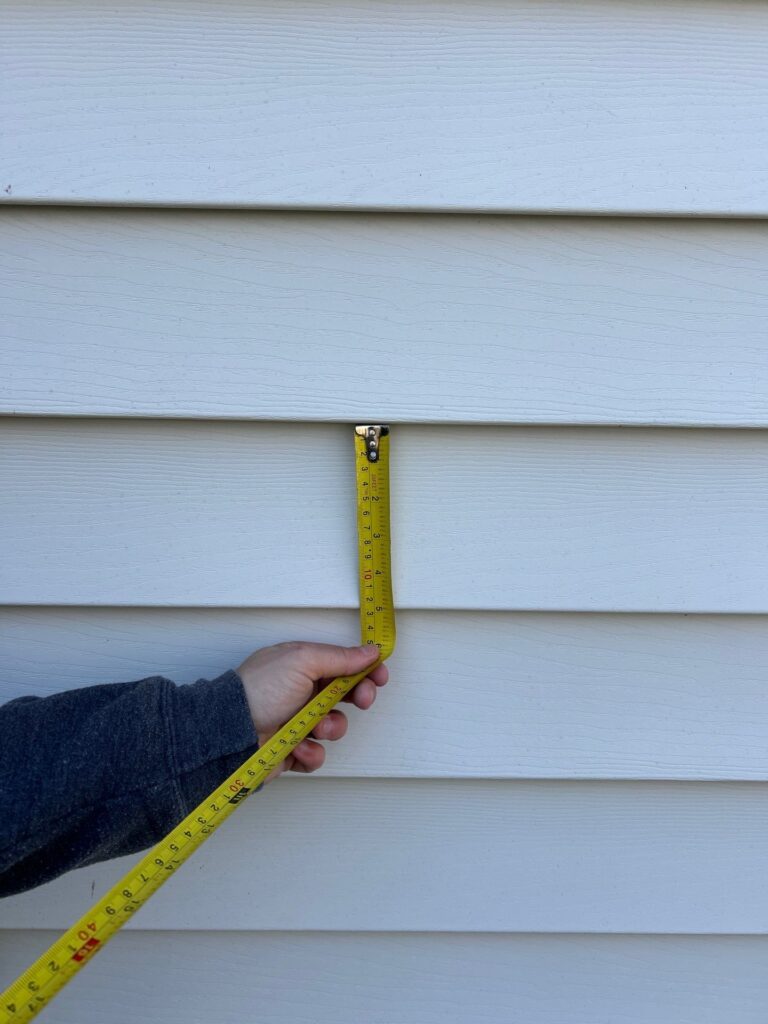
What Do I Need to Know About the House Siding Replacement Process?
Skyline Contracting provides complete siding solutions designed to improve both appearance and performance. Every project starts with a detailed inspection to identify hidden damage and recommend the best solution.
The services Skyline Contracting offers include:
- House siding replacement
- New siding installation
- Storm damage repairs
- Siding inspections
- Exterior repairs
- Insurance claim assistance
- Trim and exterior finishing
Choosing the right siding contractor makes a significant difference in the quality and lifespan of your new exterior.
What Happens During the House Siding Replacement Process?
Every home is different, but most siding projects follow the same steps.
- Inspect the existing exterior
- Remove old siding
- Repair damaged framing or sheathing
- Install new house wrap and inspect the vapor barrier
- Upgrade or repair flashing
- Install new siding
- Finish trim and details
- Clean the property and complete the final inspection
- Each step protects your exterior walls from moisture and weather damage.
Why Is Removing the Old Siding Important?
Old siding can hide water damage, insect activity, or rotting wood. Removing it allows Skyline Contracting to inspect the home’s structure before installing new materials. Fixing hidden problems now prevents larger repairs later.
What Should I Know About Exterior Protection?
Planning a siding replacement is also a good time to think about the condition of the rest of your home’s exterior. Siding, roofing, gutters, windows, and trim all work together to protect your home from the elements, and keeping each component in good condition helps prevent more costly repairs over time. Understanding how these systems work together allows homeowners to make informed maintenance and replacement decisions while protecting their investment.
How Do I Choose the Right Siding Material?
The best material to use during the house siding replacement process depends on your budget, maintenance goals, and local climate. Common options include:
- Vinyl siding: Affordable, low-maintenance, and available in many colors.
- Fiber cement (James Hardie): Extremely durable, fire-resistant, and built for long-term performance.
- Wood siding: Natural appearance with classic curb appeal, but requires regular maintenance.
- Engineered wood: Offers the look of wood with improved durability and lower maintenance.
Skyline Contracting helps homeowners compare products and choose the best fit for their home.
What Should Be Inspected Before Installation Begins?
Preparing the wall behind the siding is just as important as installing the siding itself. Contractors should inspect:
- Sheathing for rot or soft spots
- House wrap for proper moisture protection
- Vapor barrier condition
- Window and door flashing
- Areas around roof lines and foundations
Replacing damaged materials before installation improves long-term performance.
Why Are Flashing and House Wrap So Important?
Water often enters around windows, doors, and roof connections, making these some of the most vulnerable areas of your home’s exterior. Proper flashing directs water away from these openings and helps prevent leaks that can lead to wood rot, mold, and structural damage.
A quality house wrap adds another layer of protection by reducing moisture intrusion while still allowing trapped water vapor to escape. Together, flashing and house wrap help create a weather-resistant barrier that improves your home’s durability, energy efficiency, and long-term performance.
Why Work With Skyline Contracting?
Choosing the right contractor matters just as much as choosing the right siding. At Skyline Contracting, our commitment to quality workmanship, honest communication, and dependable service makes us one of the most trusted names in Georgia.
Our experienced team follows proven installation practices, understands local building permit requirements, and helps ensure every project meets applicable codes and regulations. This attention to detail helps your new siding last longer, perform better, and gives you confidence that the job is done right.
What Factors Affect Project Costs?
Several factors influence overall pricing. They include:
- Home size
- Material selection
- Existing structural damage
- Labor costs
- Local building permits
- Trim replacement
- Waste removal and dumpster needs
Skyline Contracting provides detailed estimates so homeowners understand the full scope of work before construction begins.
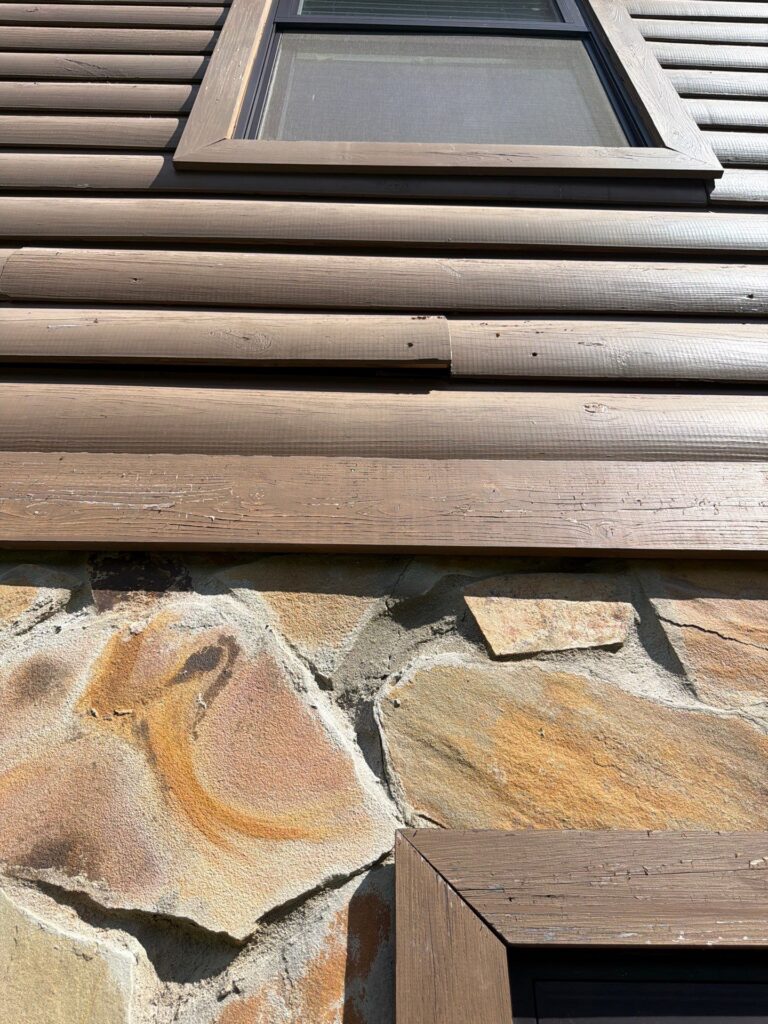
How Can I Make My New Siding Last Longer?
Routine maintenance helps maximize the life of your investment. Taking care of small issues early can prevent expensive repairs and keep your home’s exterior looking its best for many years.
Best practices include:
- Wash siding annually: Remove dirt, pollen, and mildew.
- Inspect caulking: Check around windows, doors, and trim for cracks or gaps.
- Clean gutters: Keep water flowing away from your home.
- Trim landscaping: Prevent branches from scratching or damaging siding.
- Inspect after storms: Look for loose panels or hidden damage.
- Watch for moisture: Check for mold, pests, or water intrusion around the foundation and exterior walls.
- Repair damage promptly: Fix small cracks before they become larger problems.
Follow manufacturer guidelines: Use the recommended cleaning and maintenance methods for your siding.
A yearly inspection by Skyline Contracting can help catch small problems before they become major repairs. Regular maintenance protects your investment, extends the life of your siding, and helps your home maintain its curb appeal year after year.
FAQs About Siding Replacement
Do I Need to Remove Old Siding Before Installing New Siding?
Yes. Removing the old siding allows Skyline Contracting to inspect for rot, moisture damage, insect activity, and structural issues before installing new siding. Repairing these problems first creates a stronger, longer-lasting installation.
How Long Does a House Siding Replacement Take?
Most home siding replacement projects take one to two weeks, depending on the size of the home, weather conditions, and any hidden repairs discovered during demolition.
Will New Siding Improve Energy Efficiency?
Yes. New siding combined with properly installed house wrap and repaired insulation can help reduce air leaks and improve your home’s energy efficiency.
Which Siding Material Lasts the Longest?
Fiber cement (James Hardie) is one of the longest-lasting siding materials available when properly installed and maintained. It offers excellent durability, weather resistance, and long-term value.
Contact Skyline Contracting to Start Your Siding Project
If you’re ready to improve your home’s appearance and protection, Skyline Contracting is here to help. Contact us online to schedule your consultation and receive expert guidance on the house siding replacement process. Our team will help you choose the right materials, complete a quality installation, and protect your home for years to come.