
Can Using a Roof Insurance Check for Something Else Cause Problems?
Yes, it is possible that using a roof insurance check for other things and ignoring the roof repairs could cause problems down the line. Aside from issues that may arise from not repairing your roof, future claims may be denied if repairs from an earlier claim were never made. Knowing the roof insurance check rules is essential when moving forward with a claim, as it helps homeowners understand what insurers look for, how damage is evaluated, and what is required to keep the claim process on track.
How Do Roof Insurance Checks Work?
Receiving an insurance check for roof damage can be confusing. Many homeowners are unsure whether they must use the money for repairs, what happens if they cash the check, or how insurance payments work during a roofing project.
Understanding roof insurance check rules helps you avoid costly mistakes and make informed decisions about protecting your home. Skyline Contracting helps homeowners know what to do after receiving an insurance payment for roof damage.
What Is a Roof Insurance Check?
A roof insurance check is a payment issued by your insurance company after a covered claim is approved. The payment is intended to help restore your property to its pre-loss condition after events such as:
- Hail damage
- Wind damage
- Falling tree impacts
- Storm-related roof damage
- Other covered losses
The amount you receive depends on your policy coverage, deductible, depreciation, and the scope of approved repairs.
Many homeowners are surprised to learn that insurance payments are often issued in multiple stages rather than one lump sum.
How Can a Roofing Contractor Help With the Insurance Process?
When insurance approves a roof claim, the next step is making sure the damage is properly repaired. Skyline Contracting provides professional residential roofing services, including inspections, residential roof repair, and full roof replacements for homeowners throughout Northeast Georgia. Skyline Contracting helps homeowners understand the insurance process while ensuring roofing work meets industry standards.
Experienced contractors can often also help homeowners understand claim documentation, identify missing items, and communicate findings during the claims process. They should always start with a full roof inspection.
Understanding what happens during a roof inspection helps homeowners feel more informed and confident, ensuring they know exactly how their contractor is evaluating the roof’s condition before any work begins.
Why Do Insurance Companies Send Multiple Checks?
Insurance companies frequently divide claim payments into separate portions. The first payment is often called the initial claim payment. This amount may reflect the actual cash value of the damaged roof.
After repairs are completed and documentation is submitted, homeowners may receive additional funds known as recoverable depreciation.
What Is Recoverable Depreciation?
Recoverable depreciation is the portion of your claim that was initially withheld because of your roof’s age and condition.
Once the approved repairs or replacement are completed, many insurance companies release these remaining funds. This is one reason why homeowners should keep all project documentation and invoices.
What Should You Do After Receiving a Roof Insurance Check?
Receiving the check is not the final step. Homeowners should:
- Review the insurance paperwork carefully
- Understand what damage was approved
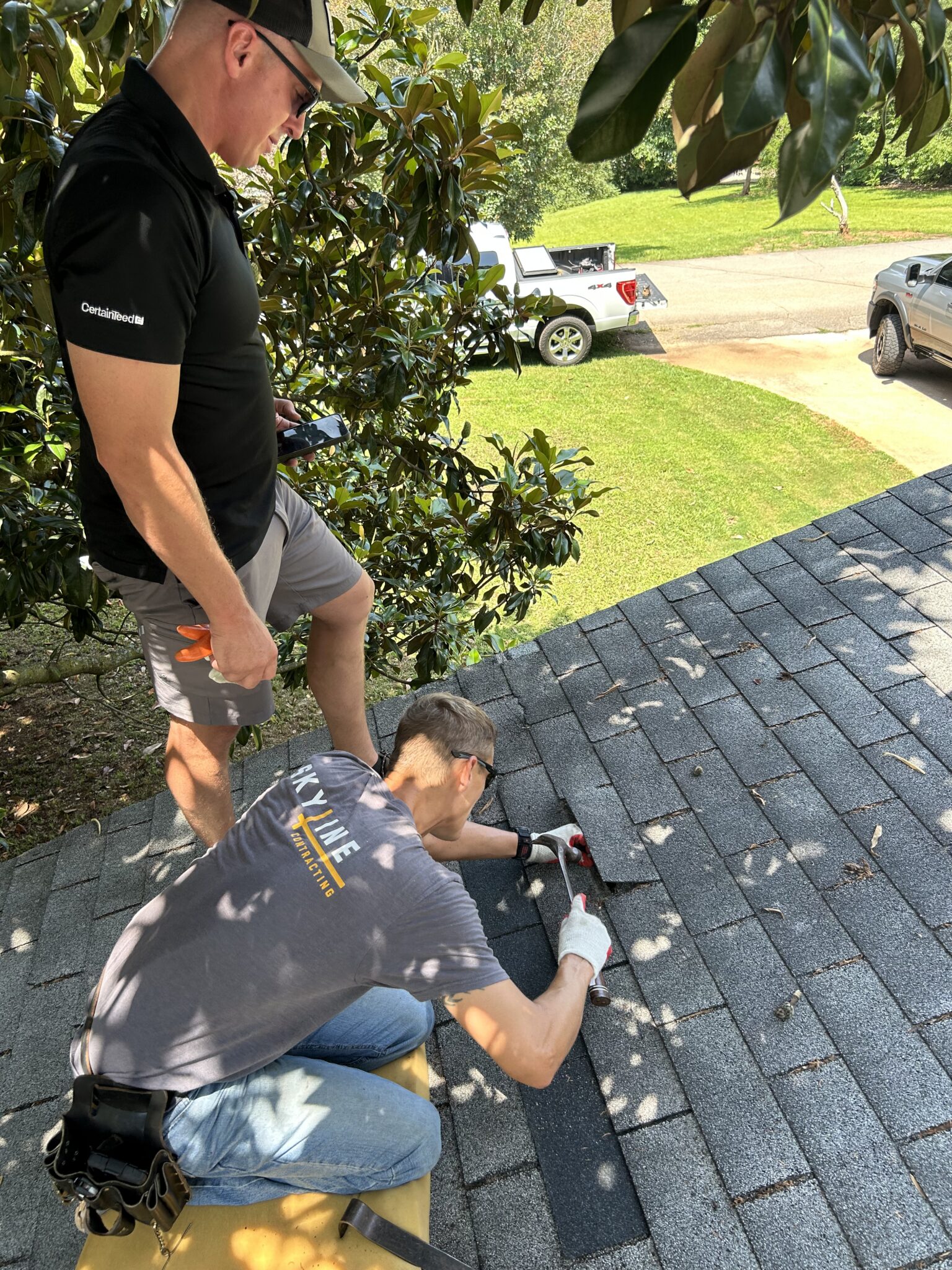
- Schedule a professional roof inspection
- Obtain repair or replacement estimates
- Communicate with their insurance company
- Maintain copies of all claim documents
Working with an experienced roofing contractor can help identify whether the approved scope accurately reflects the damage present.
What Are Common Roof Insurance Claim Mistakes Homeowners Make?
Understanding roof insurance check rules can help homeowners avoid several common errors.
Can You Ignore Roof Damage After Receiving a Check?
Ignoring approved damage can create future problems. If additional damage occurs because the original repairs were not completed, future insurance coverage may be affected.
Insurance companies generally expect covered damage to be addressed within a reasonable timeframe.
Can You Spend the Insurance Money on Something Else?
This depends on several factors, including your mortgage requirements and policy terms. If your home has a mortgage, the lender may have a legal interest in ensuring the property is restored.
In many situations, mortgage companies are listed on claim checks and must endorse payments before funds can be released.
Can Future Claims Be Denied?
Potentially. If previously approved damage remains unrepaired and contributes to future issues, an insurance carrier may limit or deny coverage for related damage.
Every policy is different, which is why homeowners should review their policy documents carefully.
What Happens If Your Mortgage Company Is Listed on the Check?
Many homeowners discover that both their name and their mortgage company’s name appear on the insurance payment. Because the lender has a financial interest in the property, they often require proof that repairs are completed before releasing funds.
The process may include:
- Endorsing the check
- Providing contractor agreements
- Submitting inspection reports
- Confirming project completion
Homeowners should contact their mortgage servicer as soon as they receive claim funds to understand any requirements.
What Does Insurance Usually Cover on a Roof Claim?
Coverage varies by policy. However, roof claims may include:
- Roofing materials
- Labor costs
- Underlayment
- Flashing
- Ventilation components
- Disposal fees
- Code-required upgrades when applicable
The exact scope depends on the insurance adjuster’s findings and policy provisions.
For guidance on homeowners insurance and claim processes, the Insurance Information Institute offers educational resources that explain how homeowners insurance policies typically work.
Understanding Roof Claims After Storm Damage
Many insurance-related roofing questions arise after severe weather.
Skyline Contracting regularly helps homeowners evaluate roofs following storms and determine whether professional inspections are necessary. Professional inspections help identify damage that may not be visible from the ground. Early inspections often help homeowners document damage before conditions worsen.
Why Working With a Qualified Roofing Contractor Matters
Insurance paperwork alone does not guarantee that all damage has been identified. A qualified roofing contractor can:
- Inspect the entire roofing system
- Identify storm-related damage
- Document findings with photos
- Review repair scopes
- Provide accurate estimates
- Assist with claim-related questions
Skyline Contracting has served homeowners throughout Northeast Georgia for more than a decade, providing residential and commercial roofing solutions backed by detailed inspections and quality workmanship.
Before beginning repairs, homeowners can learn about us and discover why Skyline Contracting has become a trusted name for roofing and exterior services throughout Northeast Georgia. We combine local expertise, industry certifications, and a commitment to customer service on every project.
How Long Should You Wait to Repair Roof Damage?
Is There a Deadline for Using Insurance Funds?
Most policies do not set a universal deadline, but delays can create complications. Waiting too long may:
- Allow damage to worsen
- Increase repair costs
- Create claim documentation issues
- Complicate future claims
- Prompt action helps protect both your property and your insurance interests.
Should You Get Multiple Estimates?
Yes. Obtaining estimates allows homeowners to understand repair options and compare project scopes. The lowest estimate is not always the best value. Focus on quality workmanship, proper licensing, warranties, and experience.
FAQs About Roof Insurance Check Rules
Do I have to use my insurance money to repair my roof?
Policy requirements, mortgage obligations, and property conditions all affect the answer. Homeowners should review their policy and lender requirements before making decisions.
Can my mortgage company hold the insurance funds?
Yes. Many mortgage companies require proof of completed repairs before releasing claim funds.
What happens if I don’t repair approved roof damage?
Failing to repair approved roof damage can make it more difficult to get coverage for future claims related to the same or worsening issues.
Why did my insurance company send only part of the money?
Many claims are paid in stages. Recoverable depreciation is often released after repairs are completed.
Should I hire a contractor before speaking with insurance?
A professional inspection can help identify damage and provide valuable documentation during the claims process.
Get Help Navigating Your Roof Insurance Claim
If you’ve received an insurance payment and have questions about roof insurance check rules, Skyline Contracting can help you understand your roofing options.
Skyline Contracting provides roof inspections, storm damage assessments, repairs, and roof replacement services designed to protect your home and investment. Contact us online to schedule a professional roof evaluation with Skyline Contracting today.
Insurance Disclaimer: Skyline Contracting is a roofing contractor and does not provide legal, public adjusting, tax, or insurance advice. Insurance policies, claim procedures, and coverage decisions vary by carrier and policy. Homeowners should review their policy documents and consult directly with their insurance provider regarding specific coverage questions.