
How Can You Tell If Your Roof Is Leaking Before It’s Too Late?
Roof leaks often start with subtle signs like ceiling stains, musty smells, or damp attic insulation. Catching these early helps Gainesville homeowners prevent mold, wood rot, and costly structural damage.
At Skyline Contracting, we help Gainesville homeowners identify even the most subtle roof problems before they turn into major repairs. With years of experience in roof repairs, our team knows what to look for and how to protect your home from water damage, mold, and structural issues. Early detection saves money and stress, making routine checks a smart choice for every homeowner.
Why Roof Leaks Often Go Unnoticed
Many roof leaks start small, making them easy to miss until significant damage has already occurred. A single shingle gap, minor flashing issue, or tiny crack can allow water in without causing obvious dripping inside the home.
Because the symptoms are subtle, homeowners often assume a small stain or damp spot is harmless. Meanwhile, water may slowly seep into ceilings, walls, and insulation.
Hidden Areas Delay Detection
Some leaks develop in areas that aren’t regularly visible, such as:
- Attics
- Behind soffits
- Along the roof beams
Water may collect in insulation or travel along framing before ever reaching the ceiling. By the time it becomes visible inside living spaces, it may have already caused:
- Mold growth
- Wood rot
- Structural weakening
Regular roof damage detection is essential to catch these issues early.
Weather-Related Leaks Are Easy to Miss
Not all leaks are constant. A roof may perform fine in dry weather, but allow water intrusion during:
- Heavy rain
- Wind-driven storms
- Periods after minor damage accumulate
Because these leaks are intermittent, homeowners who only check obvious areas often overlook them.

The Importance of Early Detection
Early detection is critical. The most effective approach combines routine visual checks with professional inspections.
Professionals can identify hidden problems, worn flashing, and compromised shingles that are easy to overlook. Taking action early helps:
- Prevent costly repairs
- Protect your home
- Preserve your investment
- Provide peace of mind
Addressing small problems now is far easier — and less expensive — than dealing with major roof damage later.
7 Subtle Signs of a Roof Leak in Gainesville, GA
Even small leaks leave clues, and recognizing them early can save Gainesville homeowners significant repair costs. Here are seven warning signs that your roof may be leaking:
1: Ceiling Stains or Discolored Paint
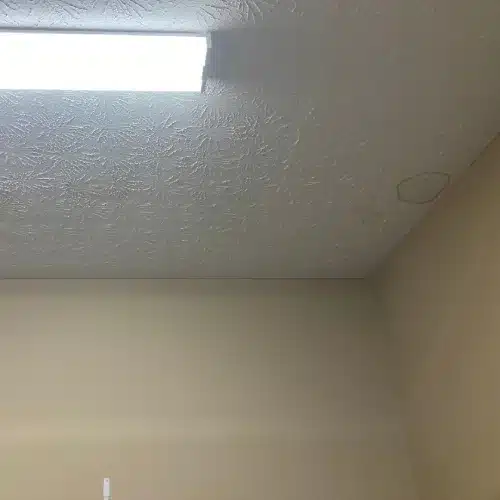
Brown or yellow spots on ceilings or walls often indicate water intrusion. Even small marks can signal a slow leak that’s damaging the structure beneath.
2: Musty Smells or Mold Growth
Persistent odors in the attic or upper floors may point to moisture trapped by a leak. Mold and mildew not only damage materials but can also affect indoor air quality.
3: Peeling Exterior Paint
Flaking or bubbling paint on exterior walls can indicate that water has penetrated through the roof or siding. Ignoring it allows water to seep deeper into the home.
4: Damp Attic Insulation
Wet or compressed insulation reduces energy efficiency and points to water entering the roof system. Check for darkened areas or sagging sections in the attic.
5: Rusted Flashing
Metal flashing around chimneys, vents, or skylights protects your roof from water. Rust or corrosion is a clear sign it may no longer be sealing effectively.
6: Warped Shingles
Shingles that are curling, buckling, or missing can allow water to enter the roof deck. This is often caused by prolonged exposure to moisture or storm damage.
7: Soft Spots In the Ceiling
Pressing on the ceiling may reveal areas weakened by water. Soft or sagging spots suggest water has penetrated structural components and needs immediate attention.
What Causes Roof Leaks in Gainesville Homes
Roof leaks rarely happen without warning. In most cases, they result from gradual wear, weather exposure, or small failures that worsen over time.
Understanding the most common causes can help you spot issues early and prevent major damage.
Storm and Wind Damage
Severe weather is one of the leading causes of roof leaks.
High winds can:
- Lift or loosen shingles
- Break seals
- Expose underlayment
Heavy rain can then push water beneath damaged areas, especially during wind-driven storms.
Hail may also crack shingles or dislodge protective granules, weakening the roof’s ability to shed water properly. Even if damage isn’t immediately visible from the ground, small storm-related issues can quickly turn into leaks.
Flashing and Gutter Failure
Flashing and gutters play a critical role in directing water away from vulnerable areas of your roof.
Problems often occur when:
- Flashing becomes loose or corroded
- Sealant around vents or chimneys deteriorates
- Gutters clog and cause water backup
Damaged flashing around chimneys, skylights, and roof valleys is a common source of hidden leaks. When gutters fail to drain properly, water can pool near the roofline and seep underneath shingles.
These issues may develop slowly, making regular inspection essential.
Aging and Normal Wear
All roofing materials have a lifespan. Over time, natural aging weakens your roof’s ability to protect your home.
As roofs age, you may notice:
- Curling or brittle shingles
- Granule loss
- Cracked sealants
- Minor surface deterioration
Older roofs are also more vulnerable during storms, as materials become less flexible and more prone to breaking.
Even without major weather events, gradual aging alone can create small entry points for water. According to the National Institute for Occupational Safety and Health, 47% of U.S. homeowners report issues with dampness and mold.
Why Proactive Maintenance Matters
Whether caused by storms, drainage issues, or simple aging, most leaks begin as minor problems.
Routine inspections and early repairs:
- Extend your roof’s lifespan
- Reduce repair costs
- Prevent structural damage
- Protect your home’s value
Catching these issues early is the key to avoiding larger, more expensive repairs later.
How to Find and Fix Roof Leaks Early
Catching a roof leak early can save Gainesville homeowners thousands in repairs. Even small leaks can quietly damage ceilings, attic insulation, and structural components, making proactive detection essential. Addressing issues early prevents mold growth, water damage, and costly repairs down the line.
Homeowners can start with DIY visual inspections. Check for discolored ceiling spots, sagging or warped shingles, rusted flashing, or damp insulation in the attic. Inspect after heavy rain or storms, since leaks often appear only under certain conditions. These steps help identify obvious problems but may miss hidden or developing issues.
Professional inspections provide a more thorough approach. Certified contractors like Skyline Contracting use specialized tools to detect hard-to-see leaks, examine flashing and gutters, and ensure water is flowing properly. Early intervention allows minor problems to be repaired before they escalate into significant damage.
Schedule a Leak Inspection Before Damage Spreads
Don’t wait for a small leak to turn into a major repair. Gainesville homeowners can schedule a professional roof inspection with Skyline Contracting to catch hidden water damage early. Our certified team thoroughly checks shingles, flashing, gutters, and attic insulation to protect your home.
Early detection saves money and stress while preventing mold, wood rot, and structural damage. Visit our roof inspection services or roof repair pages to book an appointment today. Protect your home and your investment before a minor issue becomes a costly problem.
FAQs About Roof Leaks in Gainesville
What Are the First Signs of a Roof Leak?
Early signs include ceiling stains, damp attic insulation, musty odors, and peeling paint. Spotting these warning signs quickly can prevent water damage and costly repairs before the problem worsens.
Can a Small Roof Leak Cause Serious Damage?
Yes. Even a minor leak can lead to mold growth, wood rot, and compromised structural integrity if left untreated. Addressing leaks promptly protects both your home and your health.
How Can I Detect a Roof Leak Early?
Regular visual inspections and attic checks help detect leaks before they escalate. Look for discolored shingles, rusted flashing, soft spots in ceilings, and water stains, and consider scheduling a professional inspection for hidden damage.
Should I Repair or Replace My Roof If it’s Leaking?
The best approach depends on the leak’s cause, the roof’s age, and the extent of damage. Certified contractors like Skyline Contracting can evaluate your roof and recommend targeted repairs or full replacement to prevent further water damage.