
Why Is My Insurance Company Requiring Roof Replacement?
Insurance companies want to reduce risk. An old or damaged roof is more likely to leak, fail during storms, or lead to expensive claims. That is why many insurers inspect roofs before renewing or issuing a policy.
Skyline Contracting helps homeowners understand what insurance companies look for during roof inspections. With the right information and a trusted roofing contractor, you can protect both your home and your insurance coverage.
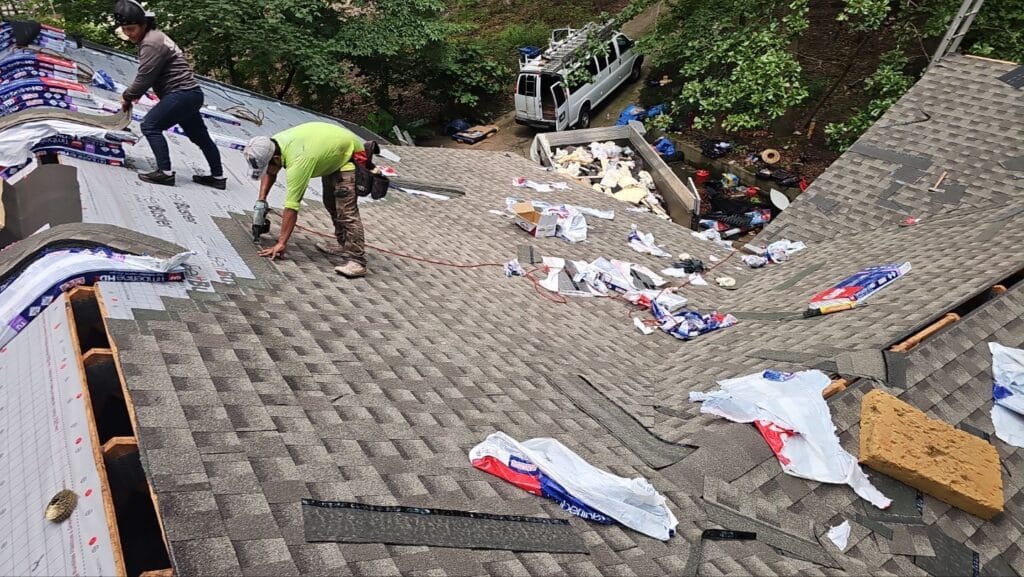
If your roof shows signs of serious wear, the company may require repairs or a full replacement before continuing your coverage. Working with professional roofing contractors to complete an insurance roof replacement helps ensure your roof meets insurance standards.
What Are the Reasons I Need an Insurance Roof Replacement?
Some common reasons an insurance company may require a replacement include:
- Roof age exceeds company limits
- Missing or damaged shingles
- Visible leaks or water damage
- Storm or hail damage
- Poor installation from the previous work
- Sagging roof decking
- Extensive mold or rot
Ignoring these issues can lead to higher premiums or policy cancellation.
How Do Insurance Companies Decide a Roof Is Too Old?
Roof age is one of the biggest factors insurance companies consider. Different roofing materials have different life expectancies.
Some insurance companies begin limiting coverage once an asphalt roof reaches about 15 to 20 years old, even if it still appears functional. Understanding how roof warranties work can prove helpful when looking into insurance requirements for your roof.
Skyline Contracting recommends scheduling regular inspections as your roof ages. Preventive maintenance can extend roof life and help you prepare before insurance roof replacement issues arise.
What Happens If I Ignore the Insurance Notice?
Ignoring the notice rarely makes the problem go away. Insurance companies often give homeowners a deadline to complete repairs or replacement.
If you miss that deadline, you could face:
- Policy cancellation
- Reduced coverage
- Higher premiums
- Difficulty finding another insurance provider
Replacing your roof within the required timeframe protects your investment and avoids gaps in coverage.
Does Homeowners Insurance Pay for Roof Replacement?
When Will Insurance Cover a New Roof?
In 2025 alone, weather events in Georgia caused an estimated $10–20 billion in repairs. Insurance usually covers a new roof when damage is sudden and caused by covered events like windstorms, hail, fallen trees, fire, or lightning. Coverage depends on the cause of the damage, your policy terms, your deductible, and the roof’s condition before the event.
When Will Insurance Deny Coverage?
Insurance companies usually deny roof damage claims when the problem is not caused by a sudden or covered event. In most cases, coverage is denied when the damage is tied to long-term wear, neglect, or installation issues instead of storm-related damage.
Common reasons for denial include:
- Normal aging
- Poor maintenance
- Neglected repairs
- Improper installation
- Manufacturer defects
Insurance is designed to cover unexpected damage, not wear and tear or problems that could have been prevented.
What Does the Roof Inspection Include?
Insurance inspections focus on the overall condition of the roof to determine if damage qualifies for coverage. The inspection helps identify both storm-related issues and pre-existing problems that could affect your claim. Catching these issues early can make the claims process smoother and help prevent surprises.
Photos are usually taken to document existing conditions and support the insurance report. Skyline Contracting can inspect your roof before the insurance company does, giving you time to identify problems early, document damage properly, and prepare for the claims process.
When Are Roof Repairs Acceptable?
Sometimes repairs are enough if the damage is limited and the rest of the roof is still in good condition. Minor repairs may work when damage affects only one section, the roof is still relatively new, matching materials are available, and the structural components remain sound.
A professional inspection helps determine whether repairs are a practical and cost-effective solution.
When Is a Full Roof Replacement the Better Option?
Full replacement is often recommended when the damage is more extensive or the roof is nearing the end of its lifespan. This is usually the better option when:
- Damage covers large areas
- Multiple leaks exist
- The roof has reached the end of its life
- Repairs would cost nearly as much as replacement
- Structural problems are present
A new roof often provides better long-term value and stronger protection than repeated repairs.
Step-by-Step: How Do I Submit a Roof Damage Insurance Claim?
Submitting a roof damage claim usually follows a simple process when handled correctly:
- Document the damage with photos as soon as it’s safe after the storm
- Contact your insurance company to report the damage and open a claim
- Schedule an insurance adjuster inspection
- Have a roofing contractor inspect the roof beforehand for accurate documentation
- Meet with the insurance adjuster during the inspection if possible
- Review the insurance estimate once it is issued
- Approve repairs or replacement based on coverage and recommendations
Following these steps in order helps reduce delays, prevent missed damage, and avoid claim disputes.
Why Does Roof Maintenance Matter So Much?
Routine maintenance protects both your roof and your insurance eligibility.
Simple maintenance includes:
- Cleaning gutters
- Removing debris
- Trimming overhanging branches
- Replacing damaged shingles
- Checking flashing
- Looking for attic moisture
Small repairs today often prevent expensive problems later.
Skyline Contracting offers inspections that help homeowners catch issues before they become major insurance concerns.
How Can I Simplify the Insurance Roof Replacement Process?
Receiving a notice from your insurance company can feel stressful, but taking the right steps early can make the process much smoother. Staying organized and working with an experienced contractor helps prevent delays and gives you confidence throughout the project.
Skyline Contracting works with homeowners to provide clear inspections, honest recommendations, and quality workmanship. Having a trusted roofing contractor by your side makes it easier to understand what your insurance company is asking for and how to respond.
What Documents Should I Keep?
Good records can make a big difference if your insurance company requests additional information. Keeping important documents in one place also helps if you file a claim after severe weather.
Documents that can help with the insurance process can include:
- Previous roof inspection reports
- Maintenance records
- Photos of your roof before and after storms
- Receipts for repairs
- Warranty information
- Insurance claim paperwork
These records help show that your roof has been properly maintained and may reduce questions during the review process.
Why Is Acting Quickly So Important?
Waiting too long to replace a damaged roof can create bigger problems than the roof itself. Insurance companies may view delayed repairs as homeowner neglect. Completing recommended work within the required timeframe helps protect your coverage and reduces the risk of additional damage.
How Does a New Roof Benefit Homeowners?
A roof replacement is not just about satisfying your insurance company. It is also an investment in your home’s future. A new roof provides better protection, improves curb appeal, and may even increase your property’s value.
Modern roofing materials are built to last longer and perform better than many older products. Skyline Contracting installs high-quality roofing systems designed to protect your home for years to come.
Taking action before small roofing issues become major insurance concerns gives you more options and helps you avoid unexpected expenses.
Why Does Choosing the Right Contractor Matter for Insurance Claims?
Choosing the right contractor matters when insurance is involved because you need clear communication, quality workmanship, and honest recommendations throughout the process.
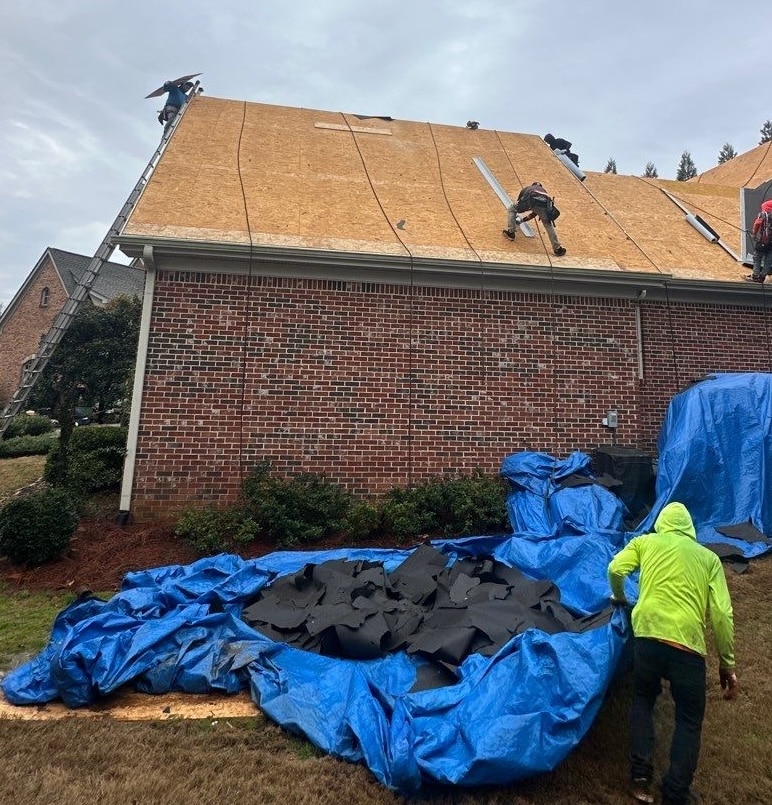
Skyline Contracting helps homeowners protect their homes and navigate insurance claims with confidence. Our team provides detailed roof inspections, clear explanations of damage, high-quality materials, experienced roofing professionals, reliable project scheduling, excellent customer service, and long-lasting roofing solutions.
FAQs About Insurance Roof Replacement:
How Old Can My Roof Be Before It Becomes a Problem for Insurance?
Many insurance companies begin reviewing roofs more closely once they reach 15 to 20 years of age, especially asphalt shingles. Every insurer has different guidelines. Skyline Contracting can inspect your roof, explain its condition, and help you understand whether replacement may become necessary before your next renewal.
Can I Get Insurance With an Older Roof?
Yes, but coverage may be limited depending on the roof’s condition and age. Some insurers may require an inspection or exclude certain types of roof damage. Skyline Contracting can provide an honest assessment so you understand your options before applying for or renewing coverage.
How Long Does Roof Replacement Usually Take?
Most residential roof replacements take one to three days, depending on roof size, weather, and material selection. Larger or more complex roofs may require additional time.
Should I Replace My Roof Before Selling My Home?
Replacing an aging roof can improve buyer confidence and reduce inspection concerns during the sale process. It may also help prevent insurance issues for potential buyers.
Protect Your Home With Skyline Contracting
If your insurance company has raised concerns about your roof, do not wait until your coverage is at risk. Skyline Contracting can inspect your roof, explain your options, and provide quality workmanship that helps protect your home for years to come.
Contact Skyline Contracting today to schedule your inspection and take the next step with confidence.