
How Do I Get the Best Roof for My Church?
Church roofing projects are different from commercial roofing jobs. Many churches have steep slopes, tall steeples, complex roof lines, and older building designs that require specialized planning and experienced installers. This church roofing guide explains what church leaders should know before planning a repair or replacement.
Churches need roofs that protect more than a building. They protect people, history, and the ministries that happen every day.
Skyline Contracting helps churches throughout Georgia understand their roofing options, budget wisely, and complete projects with as little disruption as possible.
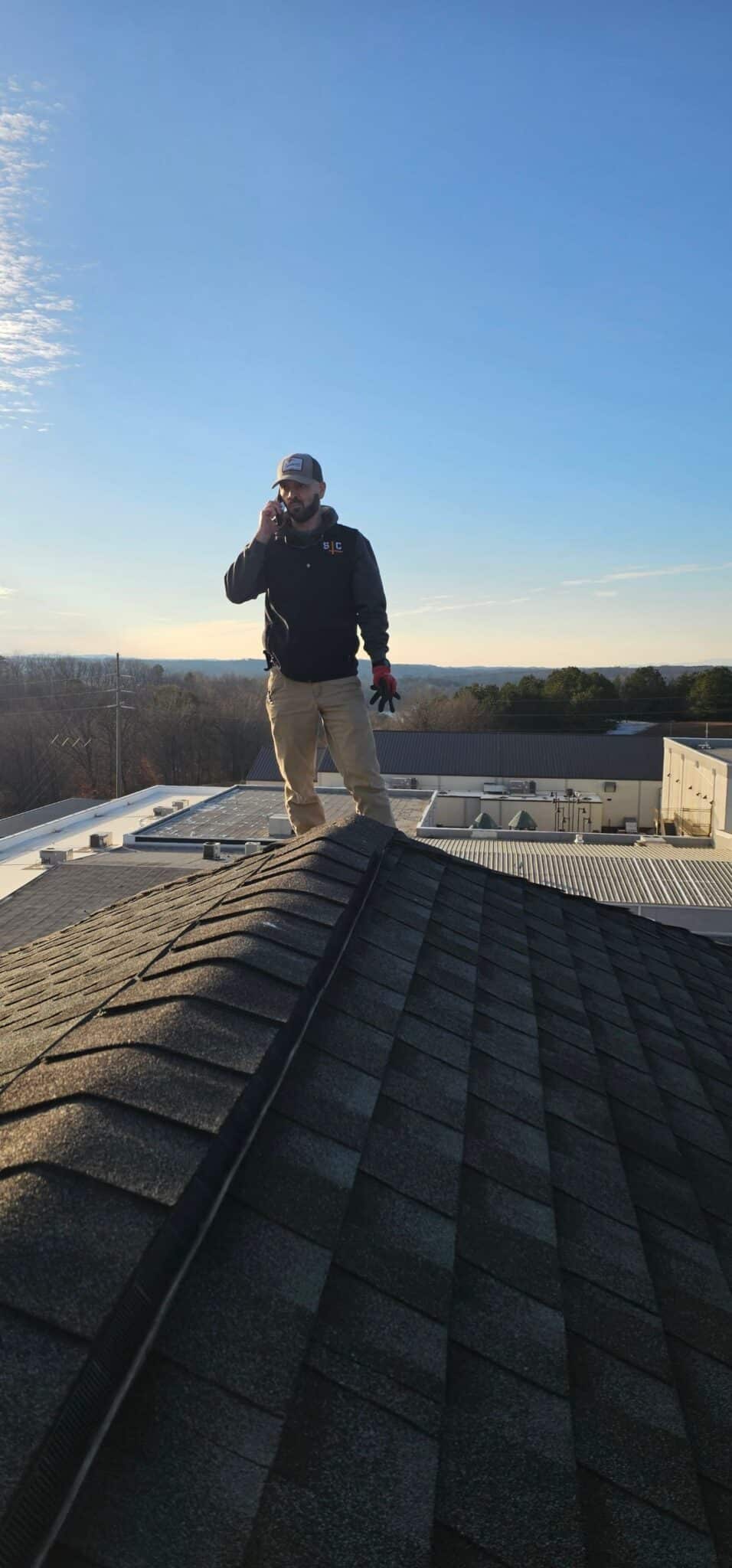
What Should I Know Before Scheduling a Church Roof Inspection?
Before requesting proposals, it helps to understand what makes church roof projects different from standard commercial roofing.
Important factors include:
- Roof height and steep slope
- Multiple roof sections
- Historic architectural details
- Limited access around the building
- Worship schedules and community events
- Long-term maintenance needs
A professional inspection identifies existing damage and helps determine whether repairs or replacement make the most sense. Skyline Contracting can offer you the church roofing services you need.
Why Are Church Roofs More Complex?
Many churches were built decades ago using designs that remain beautiful today but require careful workmanship.
Common challenges include:
- Steep roof pitches
- Bell towers
- Steeples
- Dormers
- Skylights
- Decorative trim
- Multiple valleys
- Copper flashing
Each feature adds labor, planning, and safety requirements.
Why Does Roof Pitch Matter?
Steeper roofs create safer drainage, but they also increase installation difficulty.
Crews often need specialized fall-protection systems, roof anchors, lifts, scaffolding, and additional safety equipment. These requirements affect labor time and project planning.
Should a Church Repair or Replace The Roof?
Repairs may be enough if damage is isolated after a storm or small leak. Replacement often becomes the better investment when the roof shows widespread wear, repeated leaks, or has reached the end of its expected lifespan.
A professional inspection gives church leaders the information they need before making a financial decision.
How Do I Choose the Right Roofing Materials?
Selecting the right roofing system is one of the biggest decisions during a church roofing project. The best material balances appearance, durability, maintenance, and long-term value.
Popular options include:
- Architectural asphalt shingles
- Standing seam metal roofing
- Synthetic slate
- Natural slate
- Tile roofing
- Commercial low-slope membrane systems for church additions
Each material offers different benefits depending on the church’s design and budget.
Which Roofing Material Lasts the Longest?
Metal and slate roofs often provide the longest service life when installed correctly.
Architectural shingles remain one of the most popular choices because they offer attractive curb appeal at a lower initial investment. Synthetic slate can also provide the appearance of traditional slate with less weight and reduced maintenance.
How Do Georgia Weather Conditions Affect Roofing Materials?
Georgia churches experience heat, humidity, heavy rain, strong winds, and severe storms throughout the year.
Roofing materials need to be able to resist:
- UV exposure
- Moisture intrusion
- Wind uplift
- Algae growth
- Seasonal temperature changes
Choosing materials designed for Georgia’s climate helps extend roof life and reduce future repair costs.
A Guide to Church Roofing Costs and Project Planning
Church boards often need clear, detailed information before approving a roofing project. Good planning makes meetings more productive and helps leaders understand the full scope and cost of the work.
Project costs can depend on:
- Roof size and height: Larger or taller roofs typically require more materials, labor, and equipment.
- Roof design: Steep slopes, multiple sections, and complex layouts can increase labor time.
- Roofing materials: Different materials have varying costs, lifespans, and installation needs.
- Existing roof condition: Hidden damage or worn decking may require additional repairs.
- Structural repairs: Damaged wood or other structural issues can add to the project scope.
- Safety requirements: Larger or more complex projects may require added safety measures.
- Equipment needs: Lifts, staging, and other equipment can affect project costs.
A detailed proposal helps church leaders understand these factors, compare options, and make an informed decision before work begins.
<style=”padding-left: 320px;”>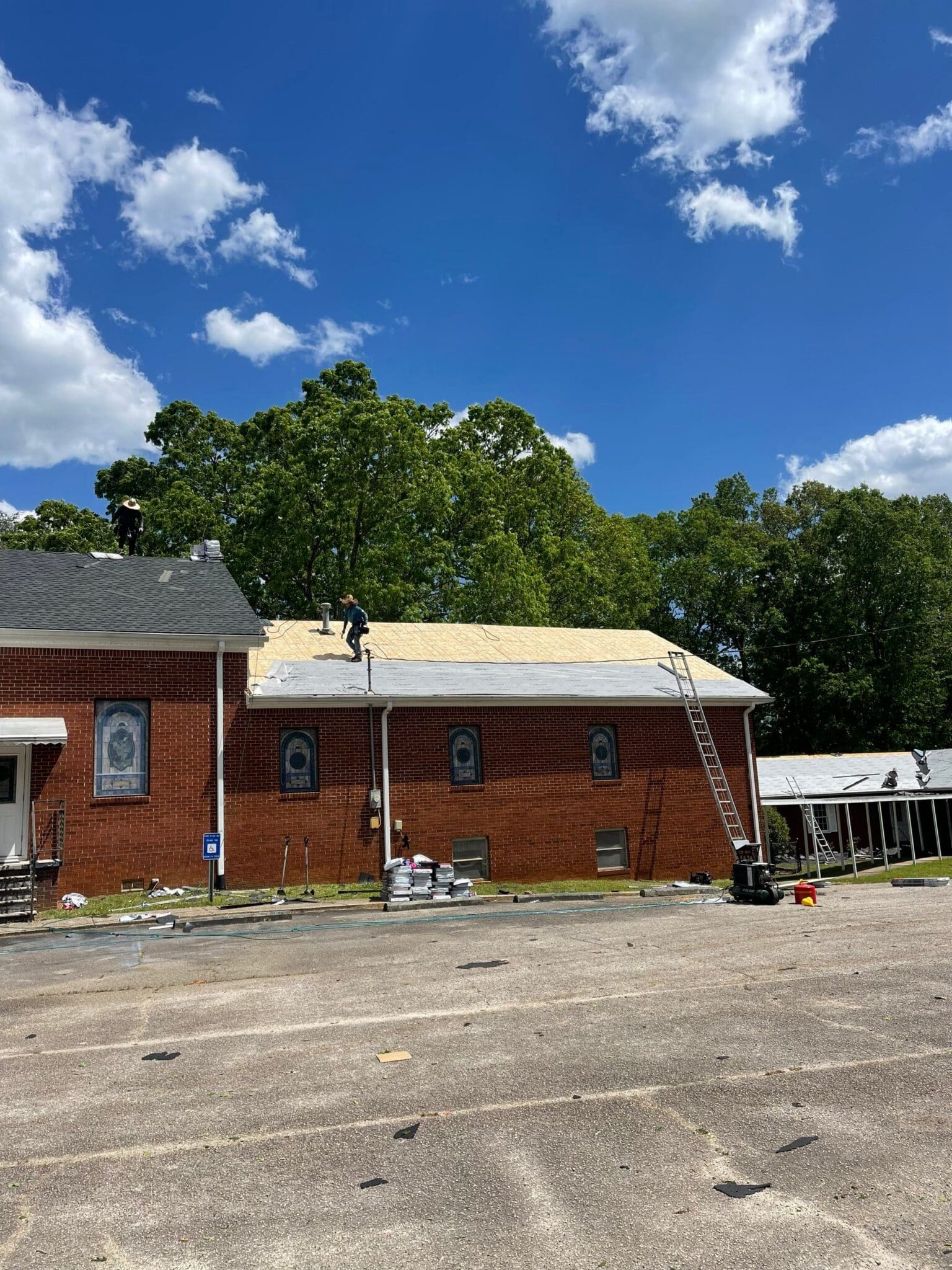
A Guide to Church Roofing Proposals
A quality proposal should outline every major part of the project.
Look for details such as:
- Scope of work
- Roofing material specifications
- Safety procedures
- Project timeline
- Cleanup process
- Manufacturer warranties
- Workmanship warranty
- Payment schedule
Clear documentation helps church boards compare bids fairly.
Why Do Churches Often Request Multiple Bids?
Most churches carefully evaluate major expenses before approving a roofing project. Getting multiple proposals gives church leaders a clearer picture of the available options and helps them compare the project approach, materials, warranties, contractor experience, safety practices, and overall value.
The lowest bid is not always the best choice. A contractor with experience handling complex church roofing projects may provide better planning, workmanship, and long-term value. Comparing proposals also helps church boards understand what is included in each bid and avoid unexpected costs later.
Why Choose Skyline Contracting?
Church roofing requires more than installation skills. It requires planning, communication, and respect for an active place of worship.
Our Skyline Contracting team understands that churches often host weekly services, childcare programs, community events, and outreach activities throughout construction. Careful scheduling helps minimize disruption while keeping projects on track.
What Makes Skyline Contracting Different?
Skyline Contracting focuses on delivering organized, professional roofing projects from start to finish.
Churches benefit from:
- Detailed inspections
- Clear project communication
- Experienced roofing professionals
- Safety-focused job sites
- Quality materials
- Reliable scheduling
- Thorough cleanup
- Long-term roofing solutions
Every project begins with understanding the church’s goals before recommending the best path forward.
How Does Skyline Contracting Improve Safety on Church Roofing Projects?
Safety is one of the most important parts of any church roofing project.
Crews use proper fall-protection equipment, follow industry safety standards, and plan each phase carefully to protect workers, church members, visitors, and surrounding property throughout construction.
Planning Ahead Helps Churches Save Money
Waiting until leaks become severe often leads to higher repair costs.
Regular inspections, preventative maintenance, and early planning allow church leaders to budget more effectively and avoid emergency roofing situations. Skyline Contracting also helps churches explore available manufacturer promotions, financing options, and applicable rebate opportunities when they are available, making major roofing investments easier to plan.
FAQs on the Church Roofing Guide:
What Is the Best Roofing Material for Churches in Georgia?
The best roofing material depends on the church’s design, budget, and long-term goals.
Architectural shingles are a popular choice because they offer durability and value, while standing seam metal and synthetic slate provide longer service life for many buildings. Skyline Contracting can recommend the best option based on your roof’s structure, appearance, and maintenance needs.
How Much Does Church Roof Replacement Cost in Georgia?
Church roof replacement costs vary based on the roof size, height, pitch, material, and the amount of repair work needed. Every church has unique features that affect pricing, so an inspection is the best place to start. For a fast estimate, use Skyline Contracting’s Online Instant Roof Estimate tool before scheduling a full evaluation.
How Often Should a Church Roof Be Inspected in Georgia?
Most churches should schedule a professional roof inspection at least once a year and after major storms. Regular inspections can catch loose flashing, damaged shingles, drainage problems, and small leaks before they become expensive repairs. Preventive maintenance also helps extend the life of the roofing system and supports warranty requirements.
Can a Church Stay Open During a Roofing Project?
In many cases, yes. Experienced contractors can schedule work around worship services, school activities, and community events to reduce disruptions. Skyline Contracting works closely with church leadership to create a project schedule that maintains safety while allowing daily operations to continue whenever possible.
Are There Grants, Rebates, or Financing Options for Churches?
Some churches may qualify for manufacturer rebates, promotional offers, financing programs, or other funding opportunities, depending on the roofing system and project timing. Availability changes over time, so it is helpful to ask about current programs during the planning process. Skyline Contracting can explain available options and help churches make informed financial decisions.
Protect Your Church With a Trusted Roofing Partner
Your church deserves a roof that protects its congregation, preserves its building, and supports its mission for years to come. Whether you are planning a repair, comparing bids for your church board, or preparing for a complete roof replacement, Skyline Contracting is ready to help with experienced guidance and dependable workmanship.
Contact Skyline Contracting today to schedule a professional inspection, discuss your roofing options, and take the next step toward a durable, long-lasting roofing solution