
How Can You Tell If Your Roof Has Hail Damage?
After a hailstorm, inspect your property from the ground. Look for signs that your roof may have been hit, but avoid climbing onto the roof yourself.
This hail damage roof guide explains what to look for, when to act, and how Skyline Contracting helps Georgia homeowners protect their homes.
Georgia experiences severe weather throughout the year. Spring and summer storms often bring hail, heavy rain, and strong winds that can weaken roofing materials. Knowing how hail affects your roof helps you make smart decisions before small problems become expensive repairs.
What Does Hail Damage Look Like?
Hailstorms can leave behind damage that is hard to see from the ground. Hail can crack or dent shingles, remove protective granules, expose the underlying material, and even loosen roofing sections.
From the ground, homeowners can look for warning signs such as damaged gutters, siding, decks, or roofing debris around the property. These signs may indicate storm damage and are a good reason to schedule a professional roof inspection. Even small dents or missing granules can shorten your roof’s lifespan.
Some common examples of hail damage include:
- Dark spots where protective granules have worn away
- Bruised shingles that feel soft when pressed
- Cracked or split shingles
- Loose or missing shingles
- Dents on gutters, flashing, vents, and metal trim
- Granules collecting in gutters or downspouts
Not every damaged roof leaks right away. Many problems develop slowly as water enters exposed areas.
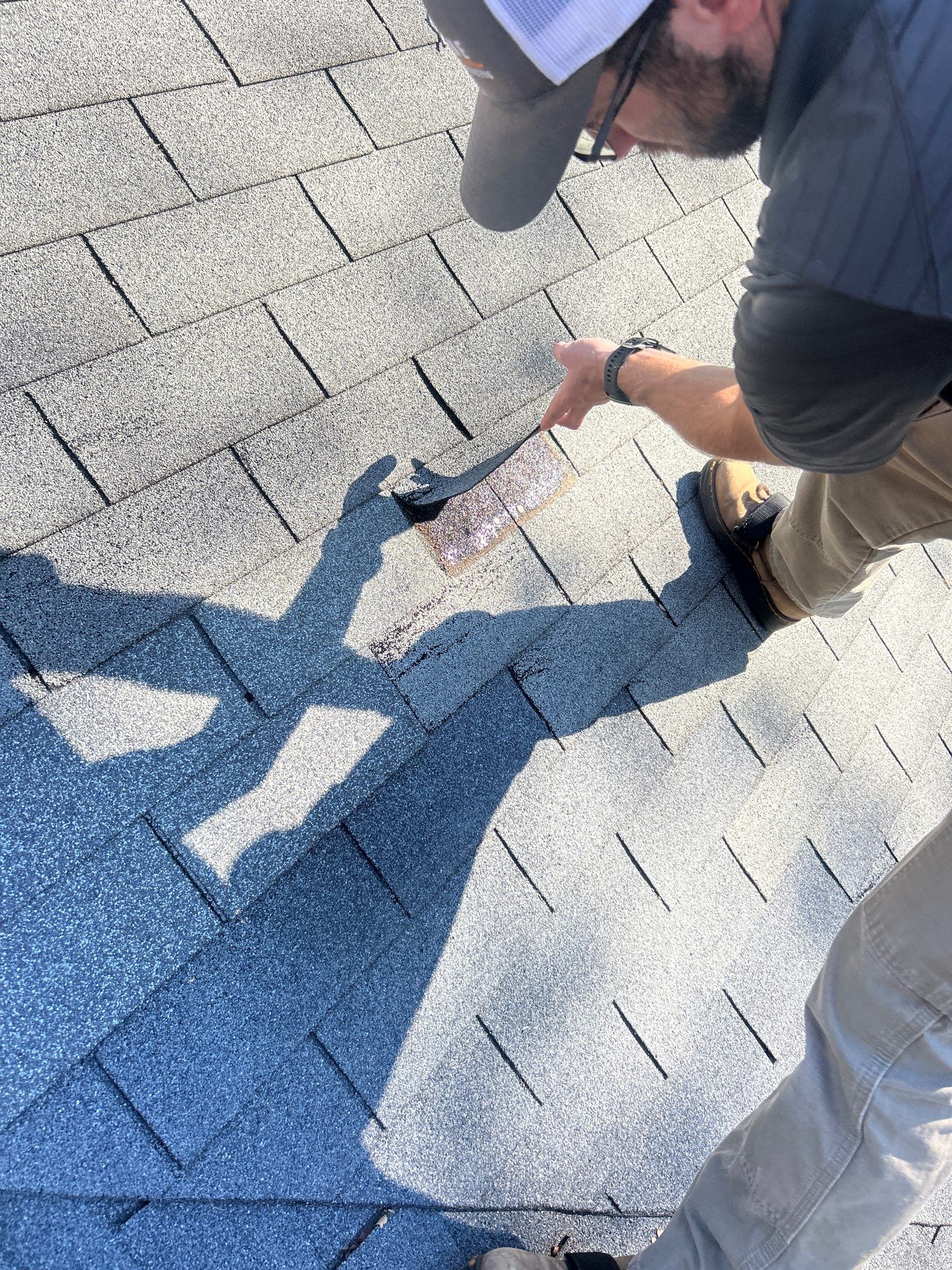
Why Are Missing Granules a Problem?
Granules protect shingles from sunlight and weather. Once they come off, shingles wear out faster and become more likely to crack.
Even small bare spots can reduce your roof’s lifespan. A professional inspection helps determine whether repairs or replacement are the best option.
Should You Inspect Your Roof Yourself?
A visual inspection from the ground is usually safe. Use binoculars if needed to look for obvious damage. Avoid walking on the roof after a storm. Wet surfaces and weakened shingles increase the risk of injury and can make damage worse.
Why Does Hail Damage Sometimes Lead to Roof Leaks?
Not every hailstorm causes an immediate leak. Damage often weakens roofing materials until water eventually finds a path inside. Early warning signs are easy to miss. If you notice stains, damp insulation, or mold, these are all signs of a roof leak, and you should schedule an inspection with Skyline Contracting.
How Long Can Hidden Damage Last?
Some roofs show no visible leaks for months. During that time, moisture can damage decking, insulation, drywall, and framing. Finding damage early usually lowers repair costs and prevents larger structural issues.
Can Small Hailstones Cause Damage?
In Georgia, hailstorms can lead to many additional issues, making it important to keep an eye out for signs of any damage that may occur as a result. Damage depends on more than hail size.
Other factors include:
- Wind speed
- Storm direction
- Roof age
- Roof slope
- Shingle condition
- Type of roofing material
Older roofs often experience more damage than newer systems during the same storm.
Does Every Roof Need Replacement After Hail?
No. Many roofs only require targeted repairs. A professional inspection can identify whether damage is cosmetic or affects the roof’s ability to keep water out. Skyline Contracting recommends only the work your roof truly needs.
A Hail Damage Roof Guide for Georgia Homes
Many homeowners think hail is only a problem in the Midwest. In reality, Georgia regularly experiences severe thunderstorms capable of producing damaging hail.
According to weather records, strong storms occur throughout much of the state each year. Areas around metro Atlanta, North Georgia, and surrounding communities frequently receive hail during spring and summer storm seasons.
Why Should You Act Quickly After a Storm?
Waiting allows water to enter through weakened shingles. Small problems often become larger repairs after repeated rainstorms. Scheduling an inspection soon after hail helps document damage before it worsens.
Why Choose Skyline Contracting After Hail Damage?
Roof repairs require experience and careful inspection. Skyline Contracting understands how Georgia weather affects roofing systems and provides honest recommendations based on the condition of your roof. Our Skyline Contracting team brings experience, professionalism, and integrity to every project.
What Happens During a Professional Roof Inspection?
A thorough inspection typically includes:
- Checking shingles for impact damage
- Inspecting flashing and vents
- Looking for soft spots
- Examining gutters and downspouts
- Photographing damaged areas
- Providing clear repair recommendations
This detailed process helps homeowners understand the condition of their roof. After a hailstorm, Skyline Contracting can identify damaged areas and replace affected shingles before small problems turn into leaks or more costly repairs. This helps protect your existing roof, prevent further damage, and avoid a full replacement when repairs are still a practical option.
Why Work With a Local Roofing Company?
A local contractor understands regional weather patterns and building requirements. Skyline Contracting serves Georgia homeowners with roofing solutions designed for local conditions, helping protect homes from future storms.
The Hail Damage Roof Guide to Protect Your Roof Before the Next Storm
Preventive maintenance reduces the chance of serious damage.
Simple steps include:
- Schedule annual roof inspections
- Trim overhanging tree branches
- Clean gutters regularly
- Replace worn shingles quickly
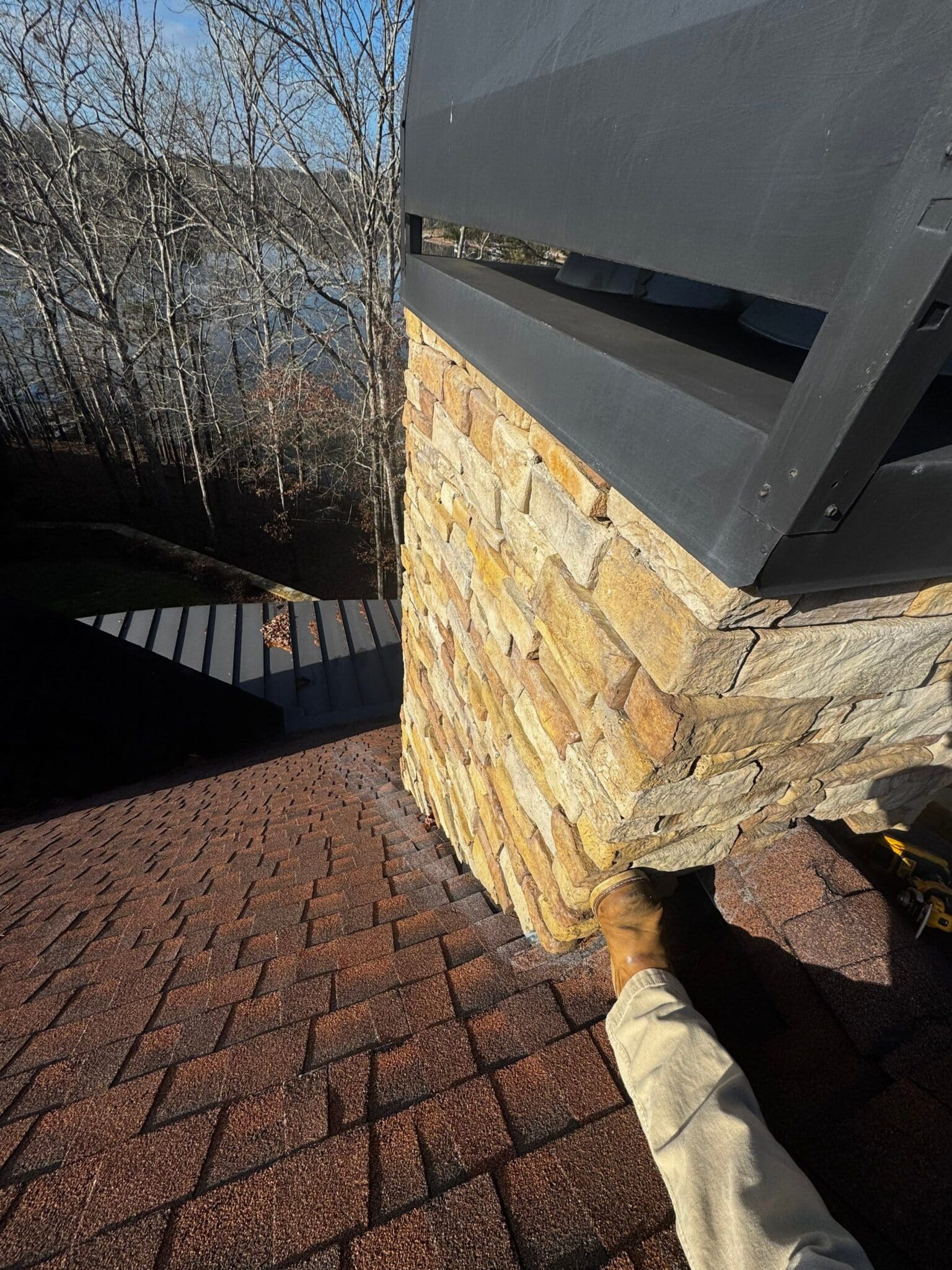
- Check flashing around vents and chimneys
- Inspect your attic after major storms
These habits help catch problems before they become expensive repairs.
FAQs About Hail Damage Roof Guide:
How Soon Should I Schedule a Roof Inspection After Hail?
It is best to schedule an inspection within a few days after a hailstorm. Early inspections identify hidden damage before rain causes leaks or structural issues. Fast action also creates clear documentation if repairs become necessary later.
Can Hail Damage Shorten My Roof’s Life?
Yes. Even if shingles remain in place, hail can weaken their protective surface. Over time, sunlight, rain, and temperature changes wear down damaged areas faster, reducing the overall lifespan of your roofing system.
Will Every Hailstorm Damage My Roof?
Not always. Damage depends on hail size, wind speed, roof age, roofing material, and storm direction. A professional inspection is the most reliable way to determine whether repairs are needed after severe weather.
What Parts of My Home Should Be Checked Besides the Roof?
Inspect gutters, downspouts, siding, windows, flashing, skylights, and outdoor equipment for dents or impact marks. Damage to these areas often indicates the roof also experienced hail impacts that deserve a closer inspection.
How Often Should My Roof Be Inspected in Georgia?
Most homeowners benefit from a professional inspection once a year and after major storms. Regular inspections help identify small issues early, reduce repair costs, and keep your roof performing well throughout Georgia’s changing weather.
Contact Skyline Contracting Before Small Problems Grow
Hail damage does not always show obvious signs, but waiting can turn a minor repair into a major expense.
If your home has recently experienced severe weather, contact Skyline Contracting today to schedule a professional roof inspection and receive honest recommendations that protect your investment for years to come.