
Do You Need to Repair a Metal Roof Before Winter?
Metal roof repairs should be completed before winter to prevent small issues from becoming costly structural damage. Temperature swings, moisture, and wind put a lot of stress on metal panels, seams, and fasteners.
Addressing problems early with Skyline Contracting protects your roof, your building, and your long-term investment.
Metal roofing systems are engineered for durability, but they are not maintenance-free. Over time, daily expansion and contraction, exposure to UV rays, and seasonal storms gradually weaken critical connection points. Minor issues such as loose fasteners or thinning sealant often go unnoticed until colder temperatures and increased moisture expose them.
By understanding when and why metal roof repair is necessary, property owners can avoid preventable leaks, interior damage, and emergency repairs during the winter months when roofing work is more difficult and costly to complete.
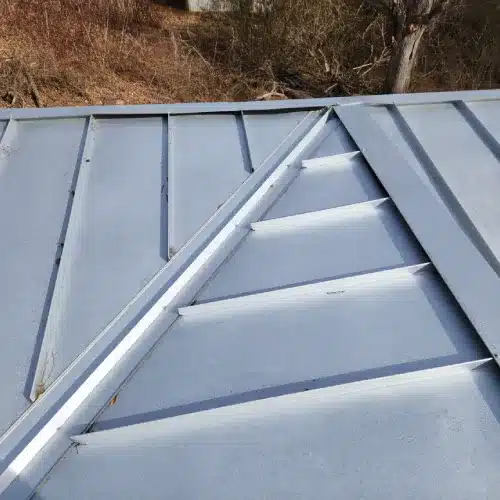
Why Metal Roof Repairs Are Crucial Before Winter
Metal roofs are built for strength and long-term performance, but even well-installed systems can develop vulnerabilities over time. Many metal roof issues don’t become obvious until winter arrives, when increased rainfall and temperature changes expose weak points. In regions like Georgia, late fall and winter often bring extended wet periods that test seams, fasteners, and flashing that may already be under stress.
Temperature fluctuations play a major role in winter-related roof problems. Georgia might not get as cold as some of the northern states, but with average temperatures in the 40s, with lows reaching into the 20s, you have to consider how the weather can harm your roof.
Metal expands and contracts as temperatures rise and fall, a process known as thermal expansion. Over time, this movement can loosen fasteners, separate seams, and break down sealants. Once gaps form, moisture can enter the roofing system and spread beneath the panels, increasing the risk of leaks and corrosion.
Cold weather also limits repair options. When temperatures drop below certain thresholds, many sealants and coatings cannot cure properly, making permanent repairs difficult or impossible. While temporary fixes such as tightening fasteners or applying caulk may slow a leak, they rarely provide a reliable long-term solution during winter conditions.
Preparing your metal roof before winter allows repairs to be completed under safer, more effective conditions. Addressing minor issues early helps prevent moisture intrusion, protects structural components, and reduces the likelihood of emergency repairs when weather conditions are least favorable.
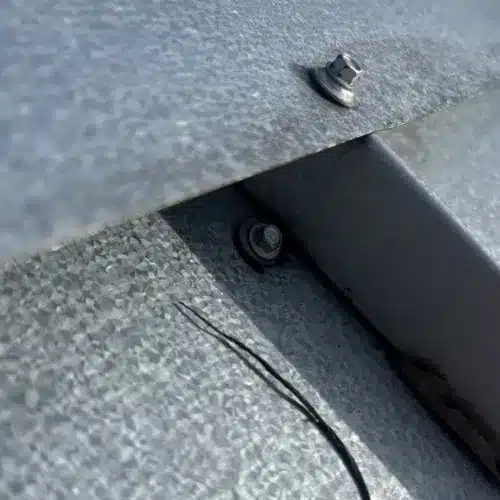
Common Metal Roof Issues to Address Early
Metal roofing systems are designed to last, but ongoing exposure to weather, temperature changes, and building movement can create issues that worsen if left unaddressed. Identifying and repairing these problems early helps prevent leaks, corrosion, and premature system failure. Common metal roof issues to address before they become major problems include:
- Loose fasteners: Fasteners can back out over time due to wind uplift and thermal expansion, creating gaps that allow water penetration.
- Rust and corrosion: Exposed metal or failing coatings can oxidize quickly, weakening panels and shortening roof lifespan.
- Damaged flashing: Flashing around penetrations and edges often fails first and is a common source of leaks.
- Leaking seams or panels: Separated seams or improperly sealed overlaps allow moisture to migrate beneath the roofing system.
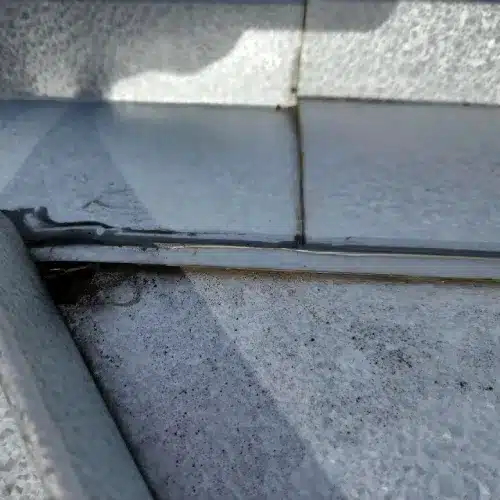
How Professional Roofers Repair Metal Roof Damage
Professional metal roof repairs focus on restoring system integrity without unnecessary replacement. Experienced crews assess movement points, drainage paths, and existing materials before making targeted repairs.
Common repair methods include replacing failed sealants, tightening or replacing fasteners, and resealing seams and panel overlaps. When flashing or coatings are compromised, roofers install compatible materials designed to move with the metal roof.
Certified roofing contractors follow strict safety procedures when working on metal surfaces, including fall protection and proper access equipment. This ensures repairs are completed safely, correctly, and in compliance with manufacturer guidelines.
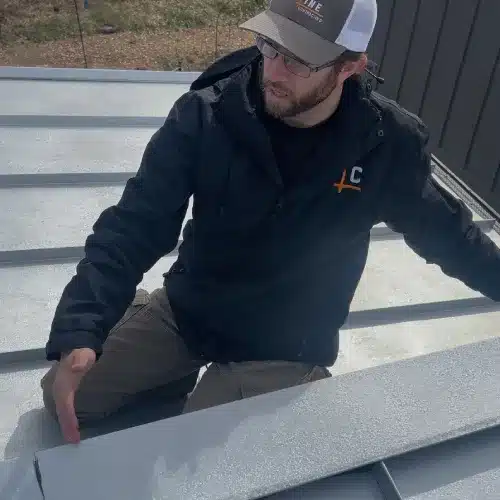
Preventative Maintenance Tips for Metal Roof Longevity
Preventive maintenance plays a critical role in extending the lifespan of a metal roof and reducing the risk of unexpected repairs. While metal roofing systems are known for durability, routine care helps ensure they continue to perform as designed year after year. Here are some tips to improve your roof’s longevity:
- Schedule regular roof inspections: Annual inspections and additional checks after major storms help identify early signs of fastener movement, seam separation, flashing damage, or coating wear before they turn into leaks or structural issues.
- Keep the roof surface clean: Removing leaves, dirt, and debris prevents moisture from becoming trapped against metal panels. Trapped moisture can accelerate corrosion and shorten the life of protective finishes, especially in shaded or low-slope areas.
- Maintain gutters and drainage systems: Clear gutters and downspouts allow water to move away from the roof efficiently. Poor drainage can cause water to back up onto panels and seams, increasing the risk of leaks and corrosion.
- Monitor fasteners and seams: Fasteners and seams are constant movement points due to thermal expansion and contraction. Regular monitoring ensures they remain tight and properly sealed as the roof ages.
- Apply protective coatings when needed: Coatings provide an added barrier against UV exposure, moisture intrusion, and oxidation. When applied at the right time, they help slow deterioration and extend roof performance.
Schedule Your Metal Roof Repair in Gainesville Today
Metal roof repairs are most effective when completed before winter weather arrives. Waiting until cold, wet conditions set in can limit repair options, increase costs, and create a higher risk of temporary fixes failing. Early action ensures that your roof is properly inspected, repaired, and ready to withstand rain, wind, and temperature fluctuations.
Scheduling your repair in advance also allows certified roofing contractors to plan safely and efficiently, following proper safety protocols while addressing loose fasteners, damaged seams, or flashing issues. A timely repair not only prevents leaks and corrosion but also protects the structural integrity of your building and the value of your property.
Don’t wait for small problems to turn into emergencies. Secure your contractor before winter weather hits and have peace of mind knowing your metal roof is prepared for the season. Contact our Gainesville roofing team today. Your property deserves protection now, not after damage has already occurred.
Learn about us and see why we’re the right company for all your roofing needs.
FAQs About Metal Roof Repairs in Georgia
How Do I Know If My Metal Roof Needs Repairing?
Common signs include visible rust, loose or missing fasteners, separated seams, and water stains on ceilings or walls. Some issues are not visible from the ground, which is why professional inspections are recommended, especially before winter weather increases moisture exposure.
What Causes Leaks in Metal Roofs?
Most metal roof leaks develop at seams, fasteners, or flashing. Over time, thermal expansion and contraction can loosen connections and break down sealants. Once gaps form, water can enter the roofing system and travel beneath panels before becoming noticeable indoors.
Can Metal Roofs Be Repaired in Winter?
Some repairs are possible during winter, but cold temperatures limit options, even in Georgia. Many sealants and coatings require warmer conditions to cure properly. Completing repairs before winter allows for more effective, long-lasting solutions and reduces the risk of temporary fixes failing.
How Long Does a Metal Roof Typically Last?
A properly installed and maintained metal roof can last 40 to 70 years. Regular inspections, timely repairs, and preventative maintenance all play a key role in extending the lifespan of the roofing system.