
What Roof Inspection Problem Areas Should I Check First?
The most common spots that lead to leaks and costly repairs are flashing, chimneys, roof valleys, skylights, and gutters. Knowing these high-risk areas can save you time, money, and headaches down the line.
At Skyline Contracting, we guide homeowners in Gainesville through every step of roof maintenance, ensuring their roofs stay strong and durable for years to come.
Homeowners who know where to look can catch minor issues before they escalate, saving money and avoiding extensive damage. A thorough roofing inspection checklist highlights these high-risk areas, ensuring that preventive maintenance is effective and that small problems never turn into major headaches.
Identifying vulnerable spots and addressing them promptly keeps the roof durable, safe, and reliable for years to come.
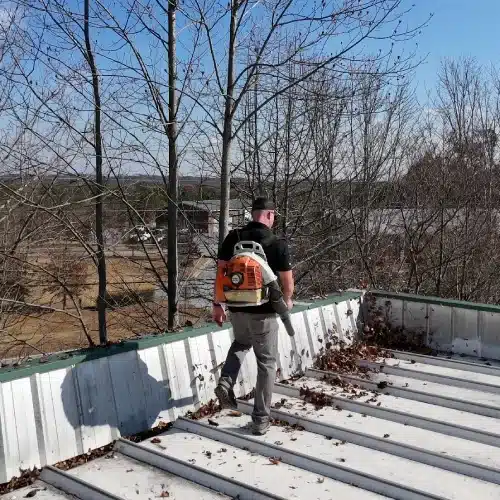
Why It’s Crucial to Identify Problem Areas Early
You’d be surprised to know that 19.7% of home inspections reveal issues with roofs. That means nearly one in five homes has a roofing problem that needs attention.
Neglecting minor roof issues can quickly turn into significant damage. Water intrusion, warped shingles, and structural wear often begin in small, overlooked areas. Identifying these problem spots early allows homeowners to schedule repairs before they escalate, saving thousands in potential roof replacement costs.
Preventive maintenance is the key. Routine roof inspections help catch leaks around flashing, valleys, and skylights before they compromise the interior of your home. Even a minor chimney leak can cause water damage, mold growth, and weakened framing if left unattended. Similarly, clogged gutters and deteriorating soffits can redirect water onto your roof, accelerating wear.
By inspecting these areas, you maintain the roof’s structural integrity and extend its lifespan. A proactive approach ensures your home stays protected and your roofing investment lasts longer, all while giving you peace of mind.
5 Common Roof Problem Areas
Understanding where a roof is most vulnerable is key to preventing leaks and costly repairs. Certain areas naturally experience more stress from weather, water flow, and aging materials. Focusing inspections on these high-risk spots ensures that small issues are caught early.
1. Flashing Around Chimneys and Vents
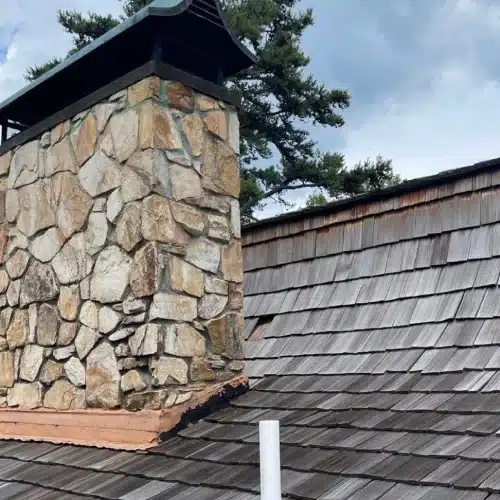
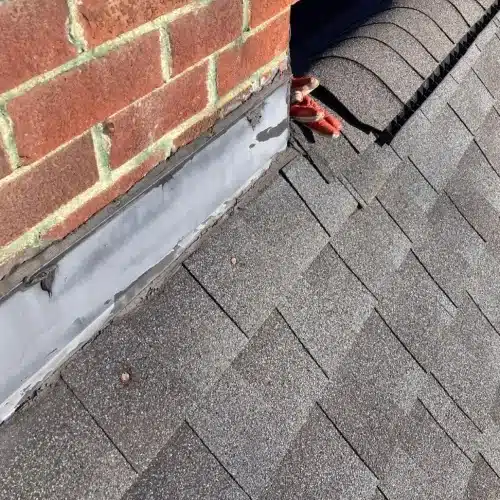
Flashing seals roof joints to prevent leaks. Cracked or loose flashing can let water in, causing rot and interior damage. Regular inspection ensures these seals remain watertight. Over time, exposure to weather and temperature changes can warp flashing, creating gaps that are easy to miss during a casual inspection.
2. Roof Valleys
Roof valleys direct water from multiple slopes to gutters. Debris buildup or worn shingles here can trigger leaks and accelerate shingle deterioration. Keeping valleys clear reduces water pooling risks. Standing water in valleys increases the risk of moss growth and shingle decay, which can compromise the roof’s structural integrity.
3. Skylights and Dormers
Skylights are prone to leaks if seals fail or frames deteriorate. Dormer junctions can trap moisture, leading to rot and mold. Inspections help detect early water intrusion before damage spreads. Even small cracks or failed seals around skylights can let water in, damaging ceilings and insulation below.
4. Gutters and Downspouts
Clogged gutters overflow onto the roof, eroding shingles and fascia. Proper maintenance ensures water flows away from the roof, protecting your home’s foundation and siding. Debris-filled gutters can also lead to ice dams in winter, further stressing the roof and causing leaks.
5. Soffits and Fascia
Soffits and fascia ventilate your attic and support gutters. Water damage or pest infestation here can compromise roof ventilation and structural support, making inspections essential. Rotting fascia or damaged soffits can weaken the roof’s edge, making shingles more prone to wind damage.
How Professionals Detect These Issues
Roofing experts combine experience with advanced tools to uncover hidden problems. Visual inspections reveal obvious wear, missing shingles, or damaged flashing, while moisture meters detect water intrusion within the roof deck. Drone technology provides a safe way to evaluate steep or large roofs without risk to the homeowner.
After a professional inspection, you receive a detailed roof inspection report outlining problem areas, recommended repairs, and preventive maintenance tips. This report ensures that nothing is overlooked and gives homeowners a clear path forward. By combining modern tools with expert knowledge, professionals catch issues early, saving money and prolonging roof life.
Gainesville Homeowner Tip: When to Call a Pro
Storms are the most common trigger for roof damage. High winds, hail, and heavy rain can loosen shingles, damage flashing, and flood valleys. Schedule a professional inspection immediately after any significant weather event.
Seasonal checks are equally important. Fall inspections prepare your roof for winter snow and ice, while spring inspections remove winter debris and address any lingering damage. Even if your roof appears intact, a professional can spot early signs of deterioration before leaks appear.
Other signs it’s time to call a pro include:
- Visible water stains or mold inside the home
- Sagging or uneven roof areas
- Damaged flashing around vents or chimneys
- Clogged gutters or overflowing downspouts
Following these guidelines ensures your roof remains in top condition, protecting your home and preventing costly repairs. Don’t wait for a leak to appear. Early professional evaluation saves headaches and preserves your roof’s lifespan.
FAQs About Roof Inspections in Georgia
What Are the Most Common Problem Areas on a Roof?
Flashing around chimneys and vents, roof valleys, skylights or dormers, gutters, and soffits/fascia are the spots most likely to cause leaks. Flashing can crack, valleys collect water, skylights can fail, and clogged gutters redirect water onto the roof.
How Can I Tell If My Roof Flashing Is Failing?
Signs include rust, cracks, warped metal, or loose seams around chimneys, vents, or skylights. Water stains on ceilings or attic walls can indicate leaks. Even small gaps in caulking or seals may allow moisture in, so inspection by a professional can catch problems early.
Do Clogged Gutters Affect My Roof’s Condition?
Yes. Overflowing gutters can pour water onto shingles, fascia, and soffits, causing rot or structural damage over time. Proper gutter maintenance ensures water flows away from the roof and foundation, preventing accelerated wear and costly repairs.
What Roof Problems Should I Check After a Storm?
Check for missing or damaged shingles, cracked or displaced flashing, leaks around skylights, clogged valleys, and gutters. Strong winds, hail, or heavy rain can damage multiple areas at once, so scheduling a professional inspection ensures nothing is overlooked.
Protect Your Roof with Skyline Contracting
Your roof is one of the most important investments in your home. The Gainesville roofing team at Skyline Contracting combines local expertise, trusted craftsmanship, and a dedication to customer service to keep Gainesville roofs strong and reliable. Our team guides you through every step from inspection to repair, so you never face surprises.
Schedule a professional inspection today to identify problem areas before they become costly repairs. Trust Skyline Contracting to protect your home with thorough, expert care. Contact us online to schedule a professional inspection today.